Version 1
Waiting
Your generated version will appear here.
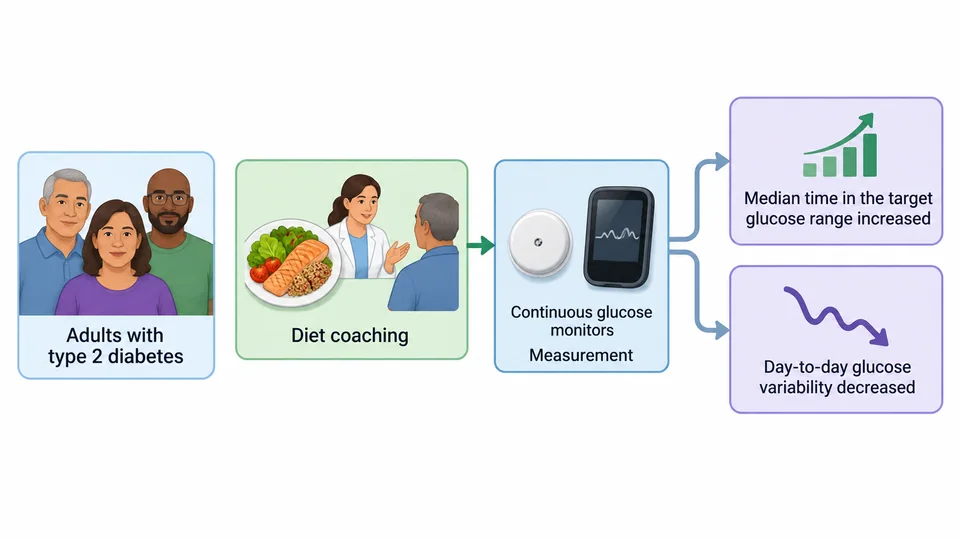
This graphical abstract maker organizes a research question, method, and principal finding into one clear concept draft. Use the graphical abstract maker to explore a layout, then verify every label, relationship, and journal requirement before submission.
Describe your research and choose your preferences
The graphical abstract maker is ready for a detailed research brief.
Follow your draft here. You can keep this page open.
Preparing your brief and identifying the main message.
Planning the layout and scientific relationships.
Creating your graphical abstract versions.
Checking the generated image against the evidence contract.
A clear draft gives your review a place to begin.
Review the science behind every visual before sharing.
These are AI-generated concept drafts. Verify every label, relationship, and scientific claim before downloading or sharing.
Your generated version will appear here.
Check labels, arrows and scientific claims. Adjust your input to explore another variation.
A useful graphical abstract maker should make the story easier to inspect, not hide uncertainty. Start with evidence, choose a reading order, and treat the first output as a draft that requires expert review.
Name the question, approach, primary observation, and supported conclusion. Leave secondary results in the paper.
Ask the graphical abstract maker for a mechanism, workflow, comparison, or study overview that matches the evidence.
Correct labels, remove unsupported imagery, check reading order, and compare the result with the target journal's guidance.
The graphical abstract maker creates a structured starting point for scientific communication. Authors remain responsible for factual accuracy, permissions, AI disclosure, visual accessibility, and compliance with the journal that receives the work.
It produces a visual concept draft. The graphical abstract maker helps organize information, but the researcher must validate and revise the result.
No. AI can mislabel a structure, invent a relationship, or simplify a result too far. Check the output against your manuscript and source data.
Only upload material you are authorized to process. Remove confidential, personal, patient, or embargoed information unless your institution permits the workflow.
First review the target journal's current format, licensing, and AI disclosure rules. Adjust dimensions and content before submission.
Bring the research. Give every reader a clear way into the work.
Start creating